Free Splash Transition Video Effect Generator
Splash Transition puts a controlled burst into the edit, bold enough for the hook and clean enough for polished delivery. Build from a prompt or still, get rapid variant output, then batch the selects for render, export, or another creative pass before final lock.

Generate a Splash Transition Fast
Drop your start frame and prompt a massive water wall. The AI transition hits hard, dissolves the scene, and ships in minutes.
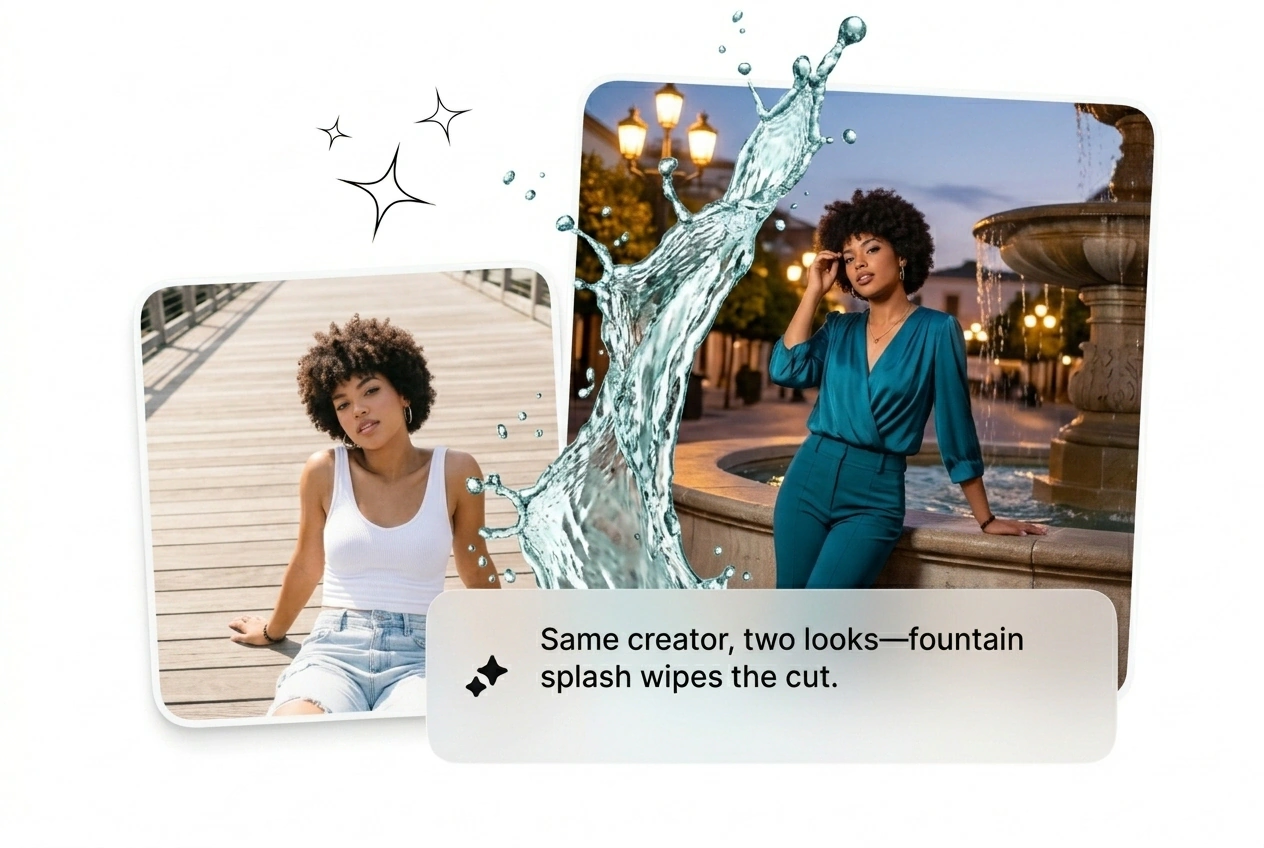
Who Needs This Splash Transition Effect
Growth hackers and motion freelancers need volume. Batch this water wall transition effect to test multiple hooks before your client even wakes up.
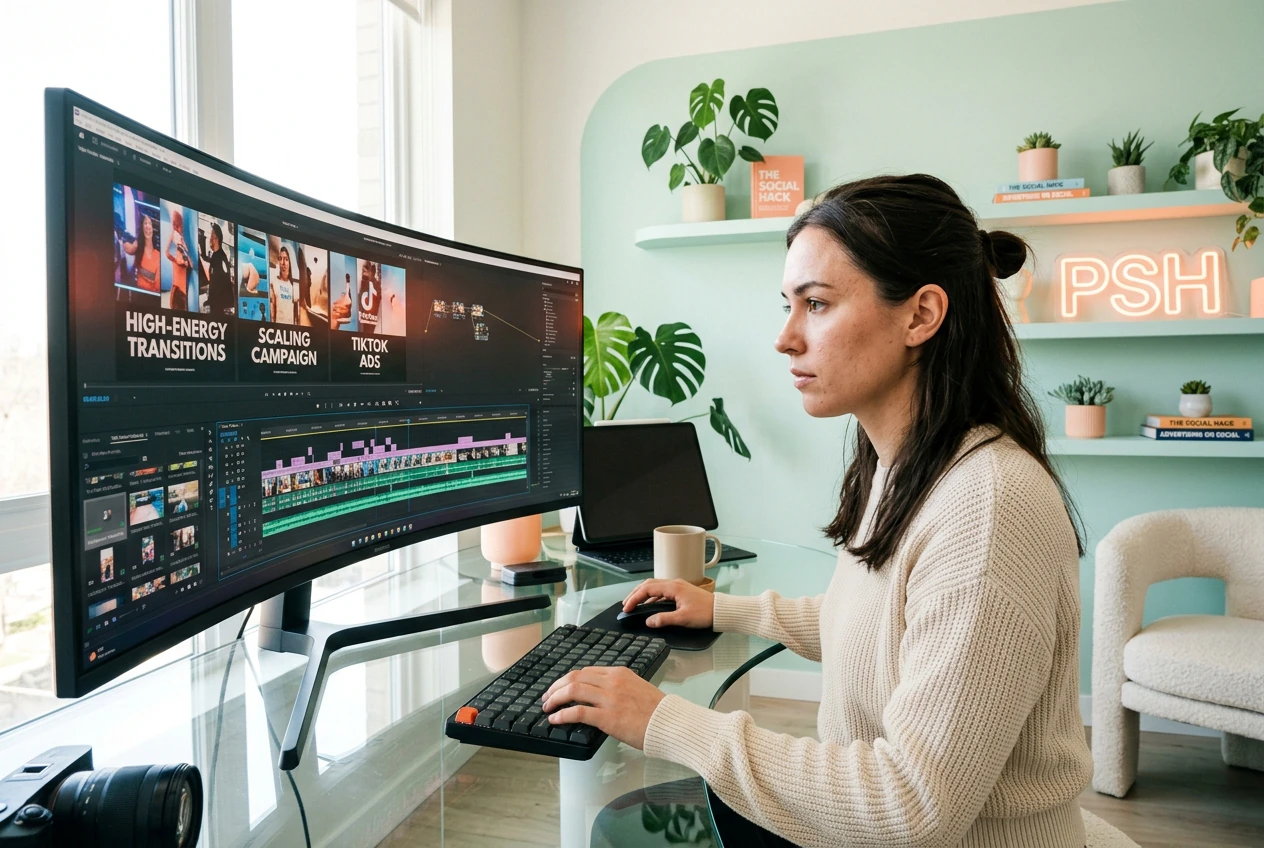
Paid Social Hackers
Ad fatigue kills campaigns fast. Generate a batch of water splash transition tiktok variants to test different visual hooks. Keep the one that converts, kill the weak ones, and scale your winning creative by lunch.

Solo Motion Freelancers
Clients demand a cinematic liquid splash transition AI cut with zero reference. Rough cut the sequence, drop the frames, and let the tool build the kinetic water physics. Send three options before you even open After Effects.

Daily Trend Chasers
Trends die in three days. You need a fast Splash Transition Video to keep viewers hooked on the timeline. Skip the complex keyframing, render a rough cut instantly, and post the clip while the trend still matters.
Build Your Splash Transition Motion
Stop tweaking physics nodes. Upload your start frame, type a prompt, and let the AI video Transition generator handle the heavy water dynamics.
Step 1
Drop Start Frame
Upload a clear image to anchor the sequence. The tool reads the visual weight and prepares the canvas for a massive water impact without needing any complex video input files.
Step 2
Prompt The Wave
Type exactly how the water should behave. Tell the engine to generate a Slow Splash Transition or a violent crash, then pick your preferred model tier to lock the style.
Step 3
Render And Ship
Hit generate and watch the engine build the fluid dynamics. Reroll the variant if the timing feels off, or export the rough cut immediately to meet your tight client deadline.
Control The Splash Transition Movie Look
Fine-tune the kinetic energy without touching a single keyframe. Batch multiple variants, adjust the flow speed, and ship the best looking render fast.
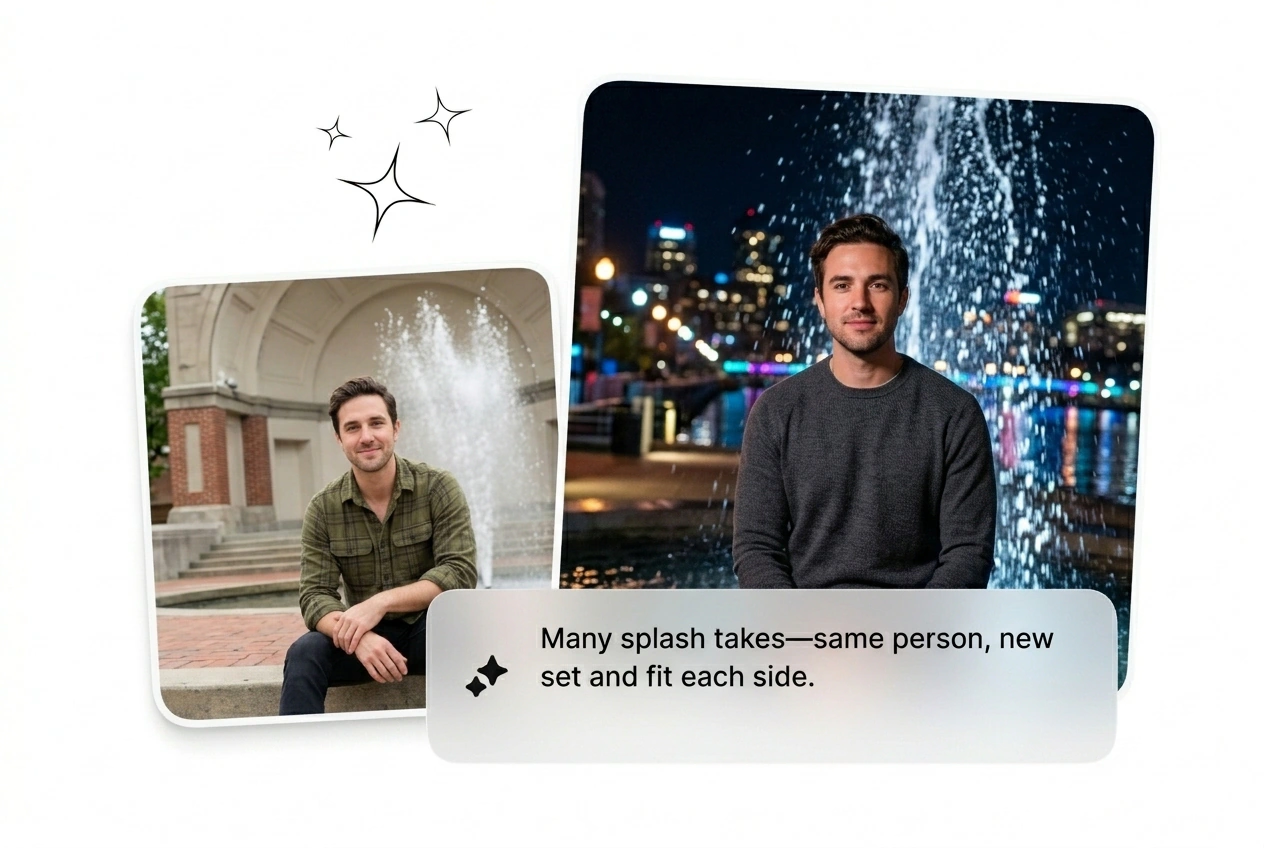
Speed Up Splash Transition
Sometimes the default pacing drags the timeline down. Force the engine to Speed up Splash Transition renders for high energy social cuts. You get a snappy, aggressive water crash that keeps viewers hooked on the action.
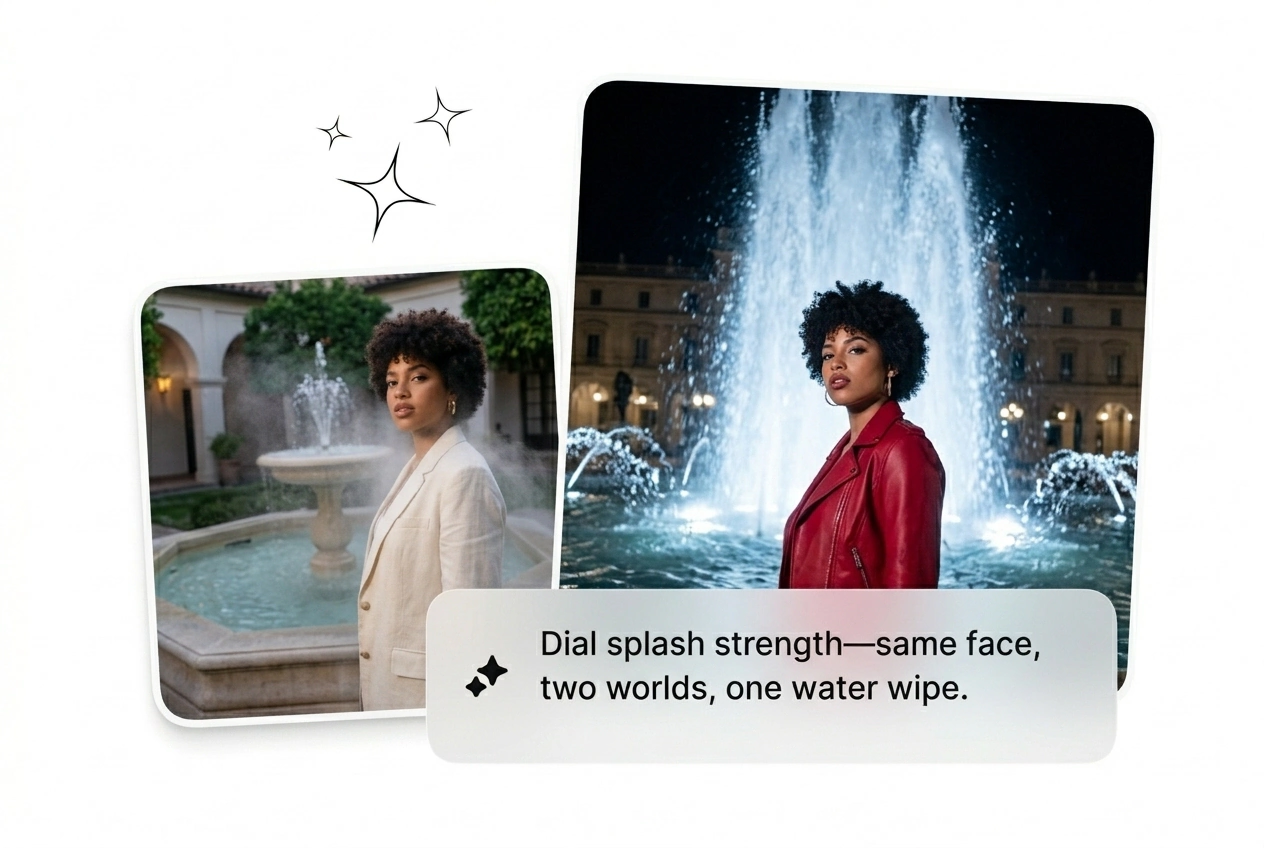
Water Splash Reveal Transition
Use a massive liquid wall to introduce a completely new subject. The Water Splash Reveal Transition washes over the start frame and dissolves into your chosen prompt. It looks highly produced but takes two minutes to generate.
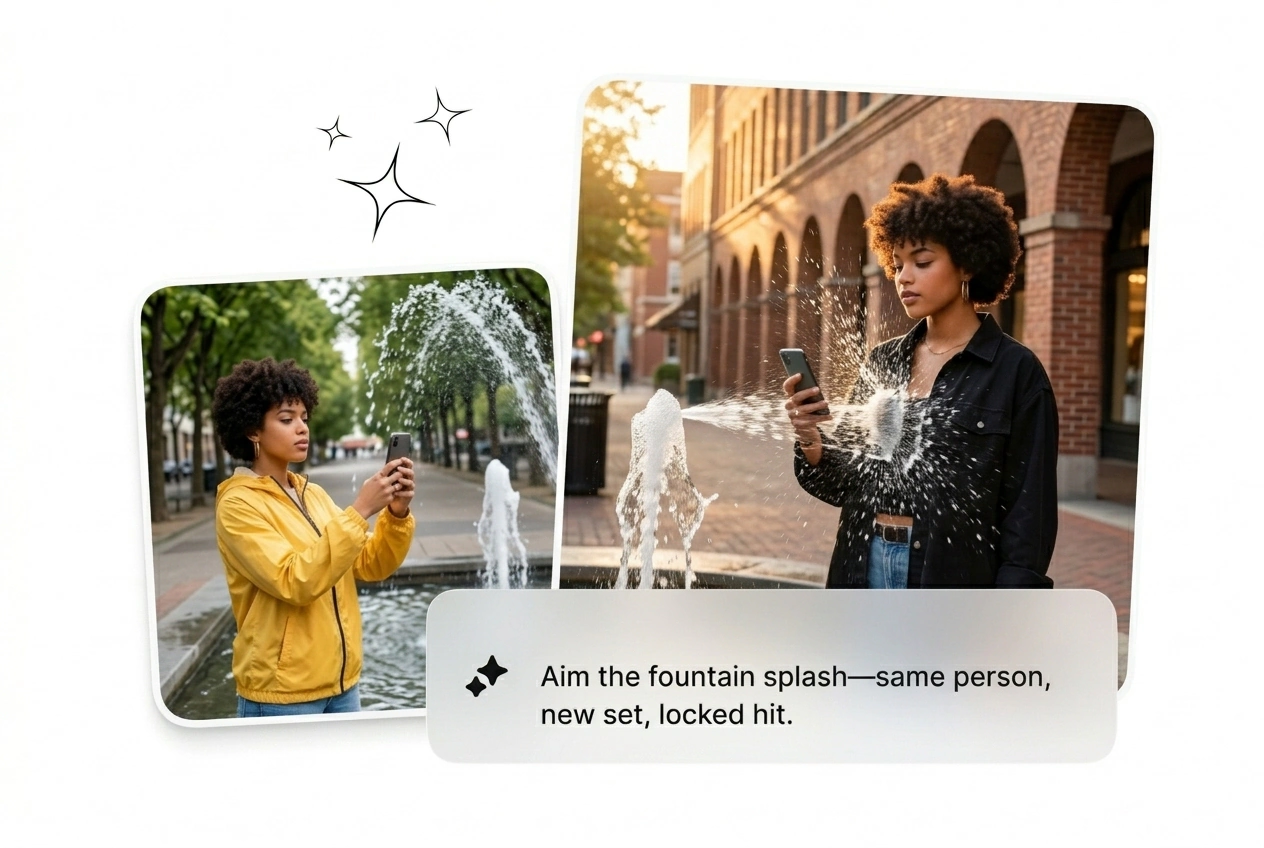
Batch Multiple Variants Fast
Never settle for the first output when testing hooks. Generate six different water impact angles simultaneously from the exact same starting image. Review the rough cuts, kill the weak physics, and drop the winner into CapCut.
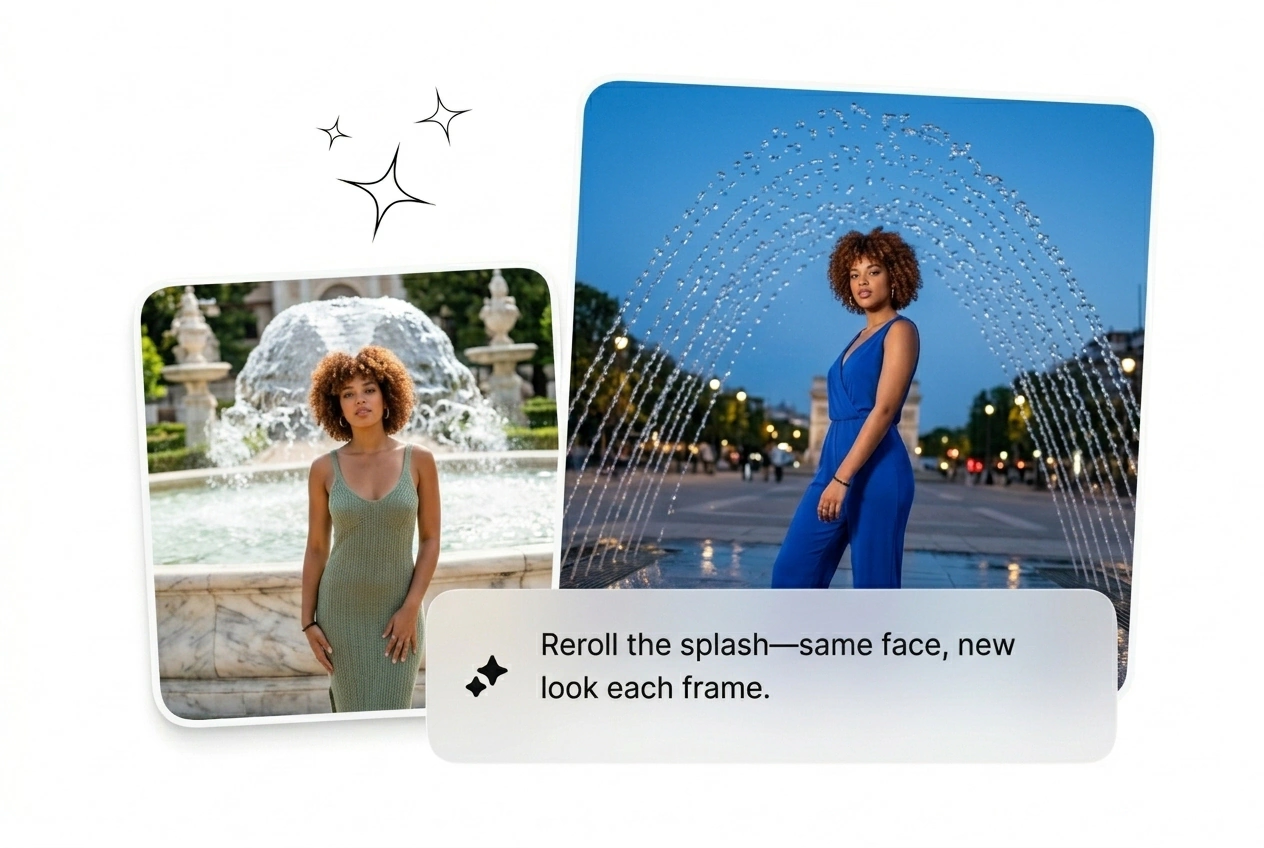
Splash Transition AI Questions
Can I use my own video clips as the starting input?
No, the engine only accepts static images or text prompts as inputs. Drop a clear start frame to anchor the scene, and the tool generates the kinetic water motion. This keeps generation fast and prevents messy rendering artifacts.
How long does it take to render one of these variants?
Most rough cuts finish processing in under two minutes depending on server load. Complex prompts might add a few seconds to the batch. You get a usable clip fast enough to test multiple ideas before your morning meeting.
Does this tool work well for professional commercial client projects?
Absolutely, motion freelancers use it to pitch concepts quickly without burning hours on keyframes. Just remember that AI physics can be slightly unpredictable. Reroll the variant a few times until the water dynamics match your specific commercial brief.
What happens if the water effect looks too messy or chaotic?
Simply kill the weak variant and adjust your text prompt for cleaner flow. Sometimes a busy starting image confuses the engine during generation. Use simpler frames to ensure the liquid motion looks cinematic rather than just random noise.
Can I control the exact direction of the water impact?
Sure, you can guide the general direction using descriptive text prompts. It will not be as precise as manual 3D simulation software. However, it ships a highly dynamic result in minutes, saving you massive amounts of production time.
Ship Your Splash Transition Now
Stop wasting hours on complex liquid simulations. Drop your frame, batch a few variants, and see what ships before your next meeting.